

How to Write Product Descriptions: A Seller’s Guide
Ekobes Editör Ekibi ·
Write clear product titles, dimensions, package contents and usage details. Build search-friendly descriptions that answer buyer questions.
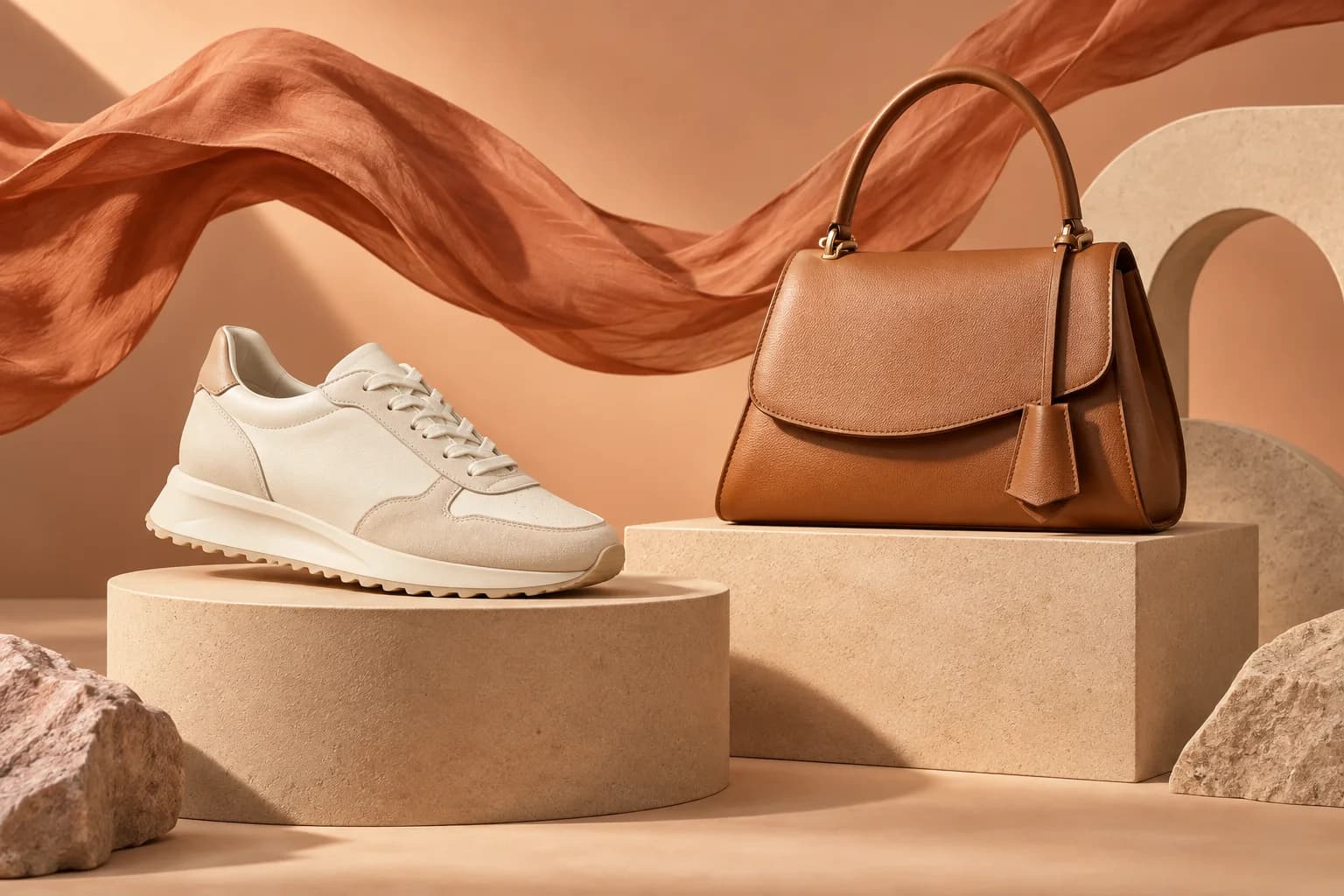
A useful product description answers a buyer's central question: is this item suitable for my needs? Adding adjectives or repeating the same search phrase cannot replace that answer. The title, dimensions, materials, compatibility and package contents should form one clear picture. Gather verified product information before writing, and do not fill gaps by guessing about capabilities.
Build the title around the product's identity
Start with the product type, brand and model where applicable, followed by a distinguishing feature. Add colour, dimensions or quantity when they are relevant to the choice. Use clear wording rather than unnecessary capitals, repetition or unsupported claims of being the best. Make sure the title, description and photographs all refer to the same item and promise the same features.
Explain the purpose in the opening paragraph
Answer what the product does and the situation in which someone would use it. For a desk organiser, describe what its compartments are intended to hold instead of relying on a phrase such as excellent quality. Do not imply an unsupported capability to broaden its appeal. Keep the introduction readable; there is no need to compress every technical detail into one sentence.
Present specifications in a comparable format
Use consistent units and identify which dimension refers to width, depth or height. Separate relevant fields such as material, colour, weight, capacity and compatibility. Replace vague wording such as standard size with actual measurements when available. For electronic accessories, include verified model or connector details rather than referring only to a broad device category. Check specifications against the manufacturer's documentation where that is your source.
State package contents and limitations clearly
List the components supplied. If a prop, cable, battery or other accessory shown in a photograph is not included, say so explicitly. For used items, describe condition and visible defects consistently with the images. Where assembly is required, provide verified information about installation and necessary parts. Do not hide a basic detail that a buyer would otherwise discover only after receiving the package.
Write naturally for people and search engines
Use the main phrase buyers would use to find the item naturally in the title and description. Avoid repeating it in successive sentences. Rather than copying one paragraph across different products, describe what distinguishes each item. When preparing English content, compare dimensions, model numbers and package contents against the Turkish version. Avoiding extra promises introduced during translation matters as much as fluent writing.
Run a short pre-publication review
Confirm that the title, selected variant, price fields and photographs all belong to the same product. Check units, quantities and spelling. Ask someone else to read the description and explain what the package contains; if the answer is unclear, simplify the wording. Keywords alone do not guarantee search positions or sales. Accurate information and an understandable presentation should remain the main goals.
Frequently asked questions
How long should a product description be?
Long enough to answer the relevant questions. Do not pad a simple listing, but do not remove important technical information simply to keep a complex product's description short.
Can a manufacturer's text be reused unchanged?
Check the right to use it and confirm that it refers to the exact model. Adapt the presentation to the buyer's needs without changing technical facts or implying additional features.
For the visual side of your listing, read our phone product photography guide.