

Small-Space Storage: A Room-by-Room Organisation Guide
Ekobes Editör Ekibi ·
Plan storage for a small home with a room-by-room guide to measurements, daily routines, furniture choices and practical organisation.
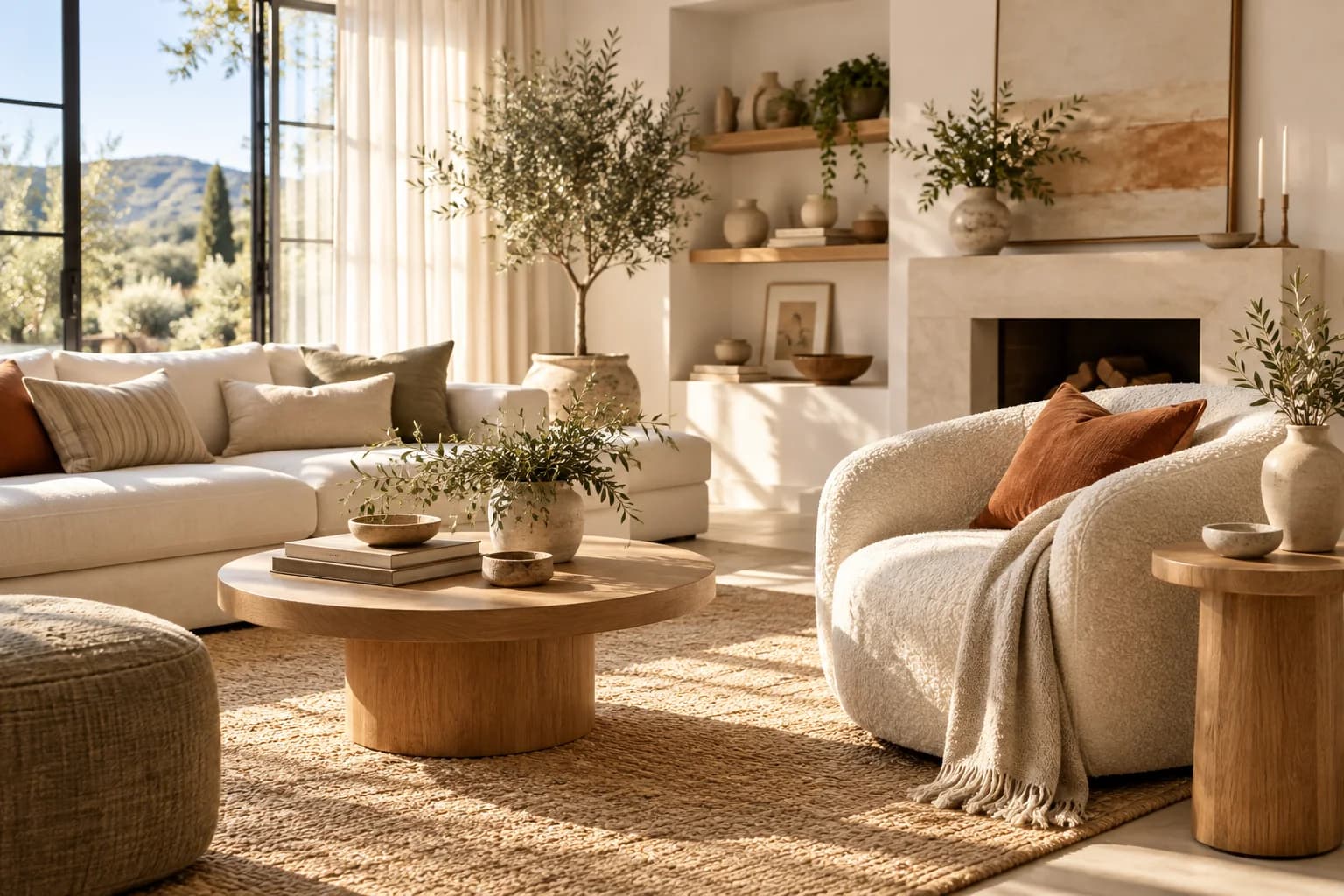
Organising a small home does not start with buying a box for every empty corner. Start by identifying where you use each item, what you reach for daily and which cupboards repeatedly become cluttered. This guide helps you build a storage plan without a major renovation. Finding things easily matters just as much as fitting more belongings into the available space.
Measure usable space before shopping
Record the inside width, depth and shelf clearance rather than relying on a cupboard's external dimensions. Hinges, pipes and opening doors can reduce usable space. Cut a piece of cardboard to match a proposed box's footprint and place it in the cupboard. This reveals fitting problems that photographs may hide. When stacking boxes, allow enough clearance to remove the top one comfortably.
Create one daily essentials station by the entrance
Give keys, wallets, shopping bags and frequently worn shoes their own places. A small tray, an open shelf and a suitable hook may be more useful than a large cabinet. Keep the doorway and walking route clear. If several people share the home, give each person a recognisable section. One shared basket can quickly become another place to search through every morning.
Balance open and closed storage in the living room
Keep remotes, charging cables and gaming accessories near where you use them. Reserve easy-opening compartments for everyday items and less accessible spaces for seasonal belongings. When comparing storage tables or footstools, check how the lid opens as well as the internal capacity. A table covered in decorative objects may be inconvenient to open several times a day, even if its storage volume looks generous.
Plan access in the bedroom, not just box capacity
Group clothing by season, type and frequency of use. For under-bed storage, measure the actual clearance and the space available to pull a container out. Clean fabrics according to their care labels and let them dry fully before putting them away. Use clear labels such as “winter tops” rather than an unexplained numbering system. Keep frequently worn pieces within easy reach instead of behind seasonal clothing.
Try the arrangement for a week before buying more
Use containers you already own to test your plan. For a week, note which objects repeatedly end up outside their assigned places. The problem may be location rather than insufficient storage. Cables used at a desk will keep returning there if their designated box is across the room. Buy organisers to solve the specific problems this trial reveals, rather than collecting matching containers without a purpose.
Frequently asked questions
Should storage boxes be transparent or opaque?
Seeing the contents can help inside a frequently used cupboard. Opaque containers may create a calmer appearance on an open shelf. In both cases, fit, handling and ease of access matter more than appearance alone.
Should every empty space be filled?
No. Leave room for walking, opening doors and daily movement. An arrangement that holds more possessions but makes the room harder to use is not necessarily an improvement.
Compare Home & Living products against your measurements and the way you use each room.